
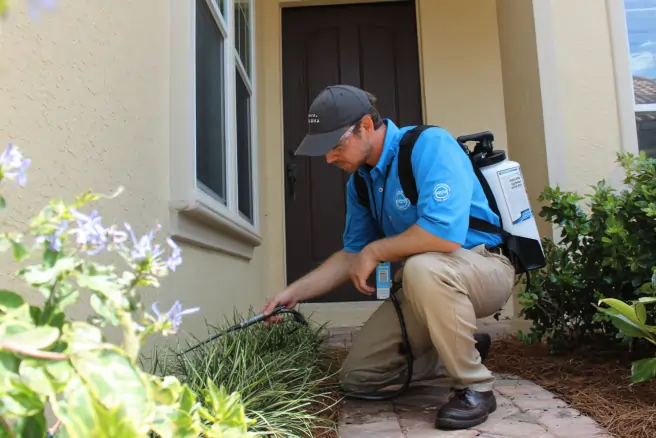
Rodents, such as mice and rats, are not only a nuisance but also a potential health hazard. These pests can invade homes in search of food, water, and shelter. Early identification and proactive prevention are key to controlling rodent infestations effectively.
Identifying the Signs of a Rodent Infestation
- Droppings: Small, dark, pellet-shaped droppings are often found along baseboards, in cupboards, or near food storage areas.
- Gnawed Surfaces: Rodents chew on wood, plastic, wires, and even drywall. Look for teeth marks or holes around entry points.
- Tracks and Smudge Marks: Greasy trails or smudges on walls and floors often indicate their regular pathways.
- Nesting Materials: Shredded paper, fabric, or insulation may signal nesting activity.
- Noises: Scratching or scampering sounds at night may indicate rodents moving within walls or ceilings.
- Unusual Pet Behavior: Pets may become agitated when they detect rodents nearby.
Why Rodents Are Attracted to Your Home
| Attractant | Description |
| Food Sources | Open food containers, crumbs or improperly stored pet food. |
| Water Availability | Leaky pipes, stagnant water in sinks or basements. |
| Shelter Spaces | Cluttered areas like attics, garages or storage rooms. |
| Entry Points | Small gaps around doors, windows, vents or utility lines. |
Steps to Prevent Rodent Infestations
- Inspect your home’s exterior for cracks and crevices larger than 1/4 inch.
- Use steel wool or caulking to plug gaps around doors and windows.
- Ensure vents have mesh covers installed.
- Store dry goods like grains and cereals in airtight containers.
- Clean up crumbs immediately after meals.
- Avoid leaving pet food out overnight.
- Fix leaking faucets and pipes promptly.
- Ensure downspouts direct water away from your home’s foundation.
- Dispose of unnecessary items in storage areas that could serve as potential nesting sites.
- Organize shelves so items don’t touch the ground directly.
- Trim tree branches away from your roofline to reduce access points for climbing rodents.
- Keep firewood stacked at least 20 feet away from the home.
- Set traps in high-risk areas where signs of activity have been observed as an added layer of prevention.
Benefits of Prevention Efforts
By taking steps today to prevent an infestation tomorrow: – You protect your family’s health from diseases carried by rodents (e.g., hantavirus). – You avoid costly repairs caused by chewing damage on wiring or insulation. – You maintain peace of mind knowing your home is safe from pests.
Being vigilant about identifying signs early while implementing preventative measures is an essential part of maintaining a rodent-free home environment over time.
Identifying Rodent Activity: When to Call an Exterminator Clearwater FL
Early identification of rodent activity in your home is essential for preventing a small problem from escalating into a full-blown infestation. Rodents, such as mice and rats, are elusive creatures that often leave subtle signs of their presence. By knowing the common indicators, you can take prompt action to protect your home and health.
Physical Evidence of Rodent Activity
- Droppings: One of the most obvious signs of rodents is the presence of droppings.
- Mouse droppings are small (about 1/4 inch), dark, and pointed at both ends.
- Rat droppings are larger (up to 3/4 inch) with blunt ends.
| Type of Rodent | Size of Droppings | Shape |
| Mice | ~1/4 inch | Pointed ends |
| Rats | ~3/4 inch | Blunt ends |
- Gnaw Marks: Rodents constantly chew to keep their teeth sharp and manageable. Look for gnaw marks on furniture, wires, baseboards, or food packaging.
- Fresh gnaw marks are typically light-colored.
- Older marks darken over time.
- Grease Marks: As rodents move along walls or floorboards, they leave greasy smudges caused by oils in their fur.
- Nests: Rodents create nests using shredded material like paper, fabric, or insulation. These are often hidden in secluded areas such as attics, basements, or behind appliances.
Sounds Indicating Rodent Presence
Certain noises can also indicate rodent activity: – Scratching or scurrying sounds within walls, ceilings, or floorboards during nighttime hours. – Chewing noises as they gnaw on materials around your home.
Odors Caused by Rodents
A strong musky odor may signal a rodent infestation: – Urine trails left by rodents emit a distinctive smell. – Decomposing bodies can also produce foul odors if infestations go unnoticed for extended periods.
Behavioral Indicators
Unusual pet behavior may be another clue: – Cats or dogs may become fixated on specific areas where they hear or smell rodents. – Pets might paw at walls or stare intently at seemingly empty spaces.
What These Signs Mean
Each sign points to potential risks that should not be ignored: 1. Droppings and urine trails carry diseases like hantavirus and salmonella. 2. Gnawing damage can compromise electrical wiring, increasing the risk of fires. 3. Presence of nests indicates breeding activity that could lead to rapid population growth.
Recognizing these signs early allows you to take swift measures before rodents cause extensive damage or health concerns. If you notice any combination of these indicators in your home, consider consulting a pest control professional for further inspection and advice on eradication strategies.
Proven Pest Removal Clearwater FL Tips to Prevent Rodent Infestations
Proactively preventing rodent infestations is essential for maintaining a safe and healthy living environment. Rodents, such as mice and rats, can exploit even minor vulnerabilities in your home, leading to structural damage and health risks: https://clearwaterpestcontrol.net
By implementing preventative measures, you can reduce the likelihood of encountering these pests. Below are effective steps you can take to safeguard your home.
Seal Entry Points
Rodents are skilled at squeezing through small openings to gain access to your home. To prevent this:
– Inspect your home for cracks, holes, or gaps in walls, foundations, doors, and windows.
– Pay close attention to areas around pipes and utility lines where rodents often enter.
– Use materials like steel wool or caulk to seal small gaps (less than 1/4 inch wide). Larger openings can be repaired with metal sheeting or hardware cloth.
Maintain Cleanliness and Proper Food Storage
Rodents are drawn to food sources and nesting materials. Keep your space uninviting by:
– Cleaning up food crumbs regularly from counters, floors, and beneath appliances.
– Storing all food (including pet food) in airtight containers made of glass or metal.
– Avoiding leaving dirty dishes in sinks overnight as they may attract rodents.
Manage Trash Properly
Improper waste disposal is another major attractant for rodents. Key actions include:
– Securing outdoor garbage bins with tight-fitting lids that rodents cannot chew through.
– Emptying indoor trash cans frequently to minimize odor buildup.
– Keeping compost piles away from the house and ensuring proper aeration in compost bins.
Eliminate Clutter
Rodents seek out cluttered spaces for shelter and nesting materials:
– Declutter garages, basements, attics, and storage areas regularly.
– Store items off the floor using plastic bins instead of cardboard boxes (which are easily gnawed).
– Trim overgrown shrubs or tree branches near your house that could allow easy roof access.
Reduce Moisture Sources
Standing water or excess humidity can attract rodents seeking hydration:
– Fix leaky faucets or pipes promptly to eliminate water sources inside the house. – Ensure proper drainage around the foundation by cleaning gutters regularly. – Use dehumidifiers in damp areas such as basements or crawl spaces.
Landscaping Tips
Your yard plays an essential role in keeping rodents away from your property: | Landscaping Practices | Benefits | |————————|———-| | Trim vegetation near walls | Reduces hiding spots | | Use crushed stone mulch | Discourages burrowing | | Keep firewood elevated & far from home | Prevents nesting |
Regular Inspections
Routine inspection is critical for prevention: 1. Check storage rooms for droppings or gnaw marks. 2. Inspect outdoor structures like sheds or garages for signs of activity. 3. Monitor bait stations/traps periodically if you use them preemptively.
By taking these preventive steps diligently, you reduce the chances of a rodent infestation occurring while fostering a healthier living space for yourself and your family.
Effective Steps You Can Take to Prevent Rodent Infestations Before They Begin
Rodent infestations can cause significant health hazards, structural damage, and financial burdens if left unchecked. The best strategy for protecting your home is to take proactive measures to prevent rodents from entering in the first place. Below are some effective steps you can implement to safeguard your household.
Seal Entry Points
Rodents can squeeze through surprisingly small gaps or cracks in your home’s exterior. Taking the time to inspect and seal these potential access points is crucial.
- Inspect walls, doors, and windows: Look for cracks, holes, or gaps in the foundation, walls, or roofline. Pay close attention to spaces around pipes, utility lines, and vents.
- Use durable materials: Seal openings with caulk, steel wool (which rodents cannot chew through), or metal mesh for larger gaps.
- Install door sweeps: Ensure doors close tightly by installing weather stripping or door sweeps.
Eliminate Food Sources
Rodents are highly attracted to accessible food sources. Reducing their ability to find food in your home is an essential preventive measure.
- Store food securely: Use airtight containers made of glass or metal rather than plastic or cardboard.
- Clean up spills promptly: Wipe down counters and surfaces immediately after meals.
- Dispose of garbage efficiently: Ensure trash bins are tightly sealed and emptied regularly.
- Pet food precautions: Avoid leaving pet food out overnight.
Maintain a Clean Environment
- Vacuum floors and carpets regularly to remove crumbs.
- Store items like clothes, paper, or cardboard boxes off the ground in sealed storage bins.
- Declutter attics, basements, garages, and crawl spaces frequently.
Manage Outdoor Areas
| Area | Action Required |
| Landscaping | Trim back tree branches that hang over your roof; keep bushes well-trimmed away from walls. |
| Firewood Storage | Store firewood at least 20 feet away from buildings; elevate it off the ground when possible. |
| Compost Bins | Use rodent-proof composting systems with secure lids. |
| Trash Cans | Keep cans tightly covered; avoid leaving bags outside overnight. |
Use Preventive Tools
- Set traps strategically near potential entry points if you’re concerned about early signs of activity.
- Install ultrasonic deterrent devices designed specifically for repelling mice and rats.
- Consider using natural repellents like peppermint oil or ammonia around vulnerable areas.
Educate Household Members
Everyone in your household plays a role in preventing infestations. Teach family members about proper storage practices and maintaining cleanliness habits that discourage rodents from entering.
By implementing these preventive steps consistently throughout your home environment—both indoors and outdoors—you minimize the risk of dealing with disruptive rodent infestations later on while fostering a healthier living space overall.
Effective Clearwater pest control solutions for rodent infestations in your home
Rodents, such as mice and rats, can create significant problems when they enter your home. They pose risks to your property, health, and overall safety. If you suspect a rodent infestation, taking immediate and effective action is critical to minimize damage and prevent the problem from worsening. Below are key steps you should take when dealing with a potential rodent infestation.
Assess the Situation
- Search for Signs of Infestation: Check for common indicators of rodent activity, such as:
- Droppings (small black or brown pellets) in cupboards, under sinks, or along baseboards.
- Gnaw marks on furniture, walls, wires, or food packaging.
- Scratching noises in the walls or ceiling during nighttime hours.
- Nesting materials like shredded paper or fabric located in hidden areas.
- Identify High-Risk Areas: Determine where rodents are most active by inspecting:
- The kitchen and pantry (food sources attract rodents).
- Basements and attics (quiet and cluttered spots are ideal hiding places).
- Entry points such as cracks in walls or gaps around doors and windows.
Secure Your Home Against Further Entry
- Seal Gaps and Cracks: Use steel wool or caulking to block small holes around pipes, vents, and utility lines that rodents might use as entryways.
- Install Weather Stripping: Ensure doors have tight seals by adding weather stripping at the bottom of exterior doors.
- Inspect Windows: Repair torn window screens or gaps near frames.
| Entry Point | Solution |
| Small holes | Plug with steel wool |
| Doors | Install weather stripping |
| Vents | Cover openings with metal mesh |
| Windows | Repair damaged screens |
Remove Attractants
- Store Food Properly: Keep food items in airtight containers made of glass or metal.
- Clean Regularly: Vacuum floors and wipe down counters to remove crumbs.
- Secure Trash Cans: Use bins with tight-fitting lids indoors and outdoors.
- Declutter Storage Areas: Minimize cardboard boxes and stacks of paper where rodents may nest.
DIY Methods:
- Set snap traps along baseboards where activity is detected.
- Use bait stations cautiously if no children or pets are present.
Professional Services:
If you suspect a large infestation that cannot be managed with basic traps: – Contact a licensed pest control company for an inspection. – Request humane removal options if feasible.
Monitor Progress
After taking initial actions: – Continue inspecting high-risk areas for new signs of activity. – Reapply preventative measures like sealing entry points if needed. – Follow up with professionals if problems persist despite efforts.
Prompt action can help mitigate damage caused by rodents while protecting your family’s health from diseases they may carry.
- Tips from a Pest Control Company Clearwater FL on Identifying and Preventing Rodent Infestations
- How a Pest Control Company Clearwater FL Can Protect Your Home and Why It’s Essential
- Clearwater Pest Control: Effective Ways to Keep Mice Out of Your Home and Remove Rodents
- How a Pest Control Company Clearwater FL Can Ensure Your Health and Safety
- Tips from a Pest Control Company Clearwater FL on Managing Common Household Pests
- Top 6 Reasons to Consider Clearwater Pest Control for Your Home