
Pest control services play a significant role in maintaining a safe, healthy, and comfortable living environment. Understanding how these services work and why they are essential can help homeowners make informed decisions about protecting their property from unwanted pests.
How Pest Control Services Work
Professional pest control services follow a systematic approach to identify, eliminate, and prevent infestations.
- Pest control experts conduct a thorough inspection of your property to identify the type of pests present and assess the extent of the infestation.
- Problem areas such as cracks in walls, food storage areas, basements, attics, and gardens are closely examined.
- A proper diagnosis is crucial for effective treatment. Professionals identify the species of pest to select the right products and methods tailored to that specific problem.
- Based on their findings, exterminators develop a treatment plan that may include chemical applications, baiting systems, physical traps, or eco-friendly solutions depending on your preferences and pest type.
- The chosen treatments are applied systematically to target active infestations while also preventing future occurrences.
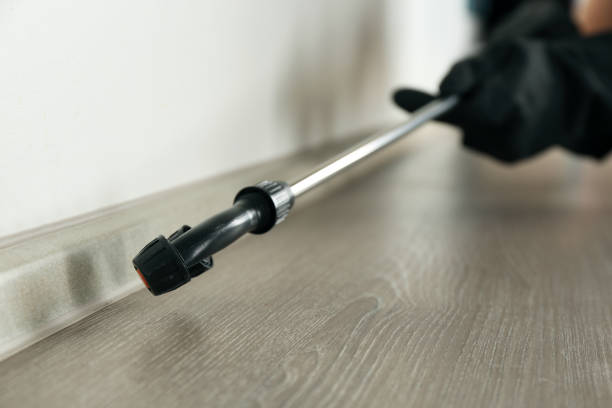
- Methods may include spraying insecticides in hidden crevices or setting up traps around entry points.
- Many companies schedule follow-up visits to ensure pests have been eradicated completely and address any recurring issues.
Why Pest Control Services Are Essential
Dealing with pests isn’t just about getting rid of an annoyance—it’s a matter of health, safety, and long-term property protection.
- Health Risks from Pests Common household pests like rodents, cockroaches, termites, or mosquitoes can carry diseases such as Salmonella or Lyme disease that pose serious health risks to you and your family.
- Property Damage Prevention Termites alone cause billions of dollars in structural damage annually worldwide by gnawing through wood structures undetected until significant harm is done.
- Food Safety Contaminated food due to pest activity—like droppings from rodents or insects—can lead to foodborne illnesses.
- Time-Saving Solution DIY methods often fail due to improper technique or lack of knowledge about specific pests’ behavior patterns; professionals offer targeted solutions backed by experience.
Comparing DIY vs Professional Pest Control Services
| Aspect | DIY Methods | Professional Pest Control |
| Effectiveness | Limited; may not address root cause | Highly effective; tailored solutions |
| Cost | Appears cheaper upfront | Cost-effective in the long term due to prevention |
| Safety Measures | Can be risky if chemicals used improperly | Strict adherence to safety protocols |
| Time Required | Time-intensive | Quick resolution |
When Should You Call for Professional Help?
Although some minor pest problems can be managed using store-bought remedies or home-based tricks (e. g.
– Persistent infestations despite repeated DIY efforts.
– Signs of structural damage caused by termites or carpenter ants. – Presence of venomous species like scorpions or black widow spiders. – Health concerns related to pests such as bed bugs triggering allergic reactions.
Pest control professionals don’t just eliminate existing threats—they provide homeowners with valuable guidance on how best to safeguard their properties against future invasions. Investing in regular pest maintenance services can ensure peace of mind while preserving both your family’s well-being and your property’s value over time.
Top Tips from an Exterminator Clearwater FL on Preventing Common Home Pest Infestations
Pests are not only a nuisance but can also pose significant health risks and cause damage to your property. Understanding the common pests found in homes and adopting preventative measures can help protect your living space from infestations. Below, we explore some of the most prevalent household pests and actionable steps to keep them at bay.
Common Household Pests
- Ants commonly invade homes in search of food and water. They may enter through cracks, gaps, or poorly sealed windows.
- Popular types include carpenter ants (which can damage wooden structures) and odorous house ants (attracted to sugary foods).
- Roaches thrive in warm, dark environments with easy access to food and moisture.
- Their presence can trigger allergies and spread harmful bacteria such as salmonella.
- Mice and rats are notorious for gnawing on furniture, wiring, and other materials, which can lead to property damage or electrical fires.
- They are also carriers of diseases like hantavirus.
- Known as “silent destroyers,” termites feed on wood and cellulose-based materials, potentially causing severe structural damage over time.
- These tiny insects infest mattresses, furniture seams, and crevices. They feed on human blood at night, leaving itchy bite marks.
- House flies are attracted to decaying organic matter and can be vectors for various diseases like dysentery or food poisoning.
- While most spiders are harmless, some species like black widows or brown recluses carry venom that can pose risks to humans.
Preventative Measures for Pest Control
Adopting a proactive approach is key when it comes to pest management in your home.
- Seal Entry Points
Close cracks around doors, windows, pipes, or vents using caulk or weatherstripping materials. - Maintain Cleanliness
Regularly vacuum carpets, sweep floors, wipe surfaces clean of crumbs or spills, and take out the trash promptly. - Store Food Properly
Use airtight containers for dry goods such as cereals or grains to prevent attracting pests like ants or cockroaches. - Fix Leaks
Repair dripping faucets or leaking pipes that might provide a water source for roaches or rodents. - Declutter Your Space
Reduce clutter in storage areas such as basements or attics where pests often hide undetected for extended periods.
Table: Signs of Infestation by Pest Type
| Pest Type | Common Signs of Infestation |
| Ants | Trails leading to food sources; small piles of dirt near walls |
| Cockroaches | Shed skins; droppings resembling black pepper |
| Rodents | Gnaw marks; shredded paper; droppings |
| Termites | Mud tubes along walls; hollow-sounding wood |
| Bed Bugs | Bloodstains on bedding; small dark fecal spots near mattress seams |
| Flies | Frequent sightings around garbage bins |
| Spiders | Presence of webs in corners |
When Should You Call a Professional?
- Large-scale infestations that cannot be managed with DIY solutions.
- Evidence of structural damage caused by termites.
- Repeated occurrences despite regular cleaning efforts.
Professional pest control services use specialized tools and techniques tailored to each pest type while ensuring safety for you and your family during the process.
Effective Pest Removal Clearwater FL: Common Pests Found in Homes and Prevention Tips
Pests are an all-too-common problem in residential spaces, capable of causing property damage, spreading diseases, and creating an uncomfortable living environment. Understanding the most common pests found in homes and taking preventive measures can protect your property and promote a healthier home environment.
Common Pests Found in Homes
- Typically found in kitchens or areas with access to food.
- Attracted to sugary items, crumbs, and uncovered food containers.
- Thrive in warm, moist environments such as kitchens and bathrooms.
- Known carriers of bacteria like E. coli and Salmonella.
- Seek shelter indoors during colder months or when food sources are accessible.
- Can chew through wires, woodwork, and insulation while also carrying harmful pathogens.
- Often found in mattresses, furniture crevices, and fabric seams.
- Feed on human blood at night and spread rapidly if untreated.
- Responsible for structural damage as they feed on wood-based materials within walls or floors.
- Often identified by mud tubes or discarded wings near windowsills or doors.
- Generally harmless but can leave behind webs that create an unsightly appearance indoors.
- Some species (e. g. , black widows) may pose health risks through their bites.
- Breeding grounds often include standing water around the home (e. g. , clogged gutters or drains).
- Known vectors of diseases such as West Nile virus or dengue fever.
Prevention Tips for a Pest-Free Home
- Seal Entry Points:Inspect your home for cracks in walls, gaps under doors or windowsills, and holes around utility lines; seal these areas using caulk or weatherstripping to eliminate potential entryways for pests.
- Maintain Cleanliness:Regularly vacuum carpets, wipe down countertops, sweep floors to remove crumbs/food debris; dispose of garbage promptly using sealed trash bins.
- Store Food Properly:Use airtight containers for pantry items; avoid leaving pet food out overnight.
- Fix Leaks:Repair dripping faucets/pipe leaks promptly since many pests rely on moisture to survive.
- Declutter Spaces:Minimize clutter around your home (e. g. , cardboard boxes) which could provide hiding spots for rodents/insects.
- Outdoor Maintenance:Trim vegetation near your house’s foundation; keep firewood piles stored away from exterior walls.
- Monitor Humidity Levels:Use dehumidifiers where necessary—especially basements/attics prone to dampness.
Table: Pest-Specific Preventative Measures
| Pest Type | Prevention Method | Additional Notes |
| Ants | Seal cracks; store sweets securely | Avoid leaving dirty dishes overnight |
| Cockroaches | Keep spaces dry/clean; use traps | Address leaks promptly |
| Rodents | Install mesh screens over vents | Store food off the ground |
| Bed Bugs | Wash bedding regularly; inspect secondhand furniture | Vacuum frequently |
| Termites | Remove wood debris near foundation | Schedule annual inspections |
| Spiders | Regular dusting/removal of webs | Check dark corners/storage rooms |
| Mosquitoes | Eliminate standing water | Install window screens |
Taking proactive steps against common household pests not only protects your home but also ensures a safe living space for you and your family through preventative care rather than reactive solutions after infestations occur.
SAFETY PRECAUTIONS TO FOLLOW DURING A PROFESSIONAL PEST CONTROL SERVICE
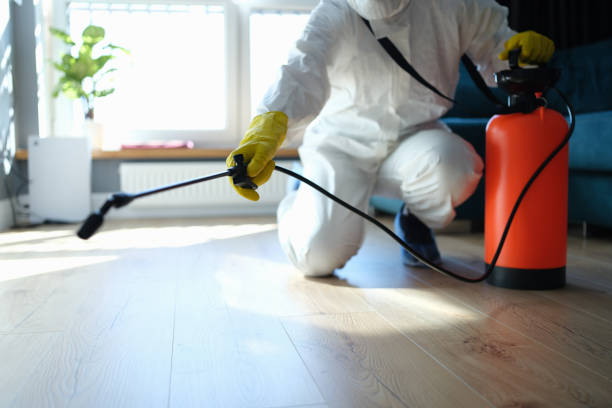
Professional pest control services are an effective way to tackle pest infestations, but ensuring safety during the process is equally important. Both homeowners and technicians must take certain precautions to reduce risks from chemical exposure, contamination, or mishandling of equipment. Below are key safety measures to consider before, during, and after a pest control service.
Before the Pest Control Service
Preparing your home ahead of time improves the effectiveness of the treatment and minimizes risk.
- Remove Food Items: Clear countertops, pantry shelves, and dining areas of any exposed food items. Store them in sealed containers or remove them from the premises altogether.
- Vacate Sensitive Areas: Remove children’s toys, pet bedding, aquariums (when possible), and other items that may come into contact with chemicals.
- Ventilation Planning: Identify how you will ventilate your home after treatment if needed. Ensure windows can be opened easily or fans are available for circulation.
- Secure Pets: Temporarily relocate pets or ensure they remain safe in designated areas away from treated zones. Birds and fish are especially sensitive to chemicals used in pest control treatments.
During the Pest Control Service
- Maintain a Safe Distance: Stay away from treated areas for the duration specified by your technician—this is particularly important for children and pets.
- Ask About Chemicals Used: Inquire about any pesticides being used, including their toxicity levels and recommended handling procedures.
- Wear Protective Gear (if necessary): If you must interact with treated areas during application (e. g. , opening windows), wear gloves or masks as advised by your technician.
After the Pest Control Service
Post-treatment precautions ensure both safety and long-term success of pest eradication efforts.
- Adhere strictly to re-entry times provided by professionals—this may vary depending on products used (e. g. , 2–4 hours).
- Avoid cleaning treated areas immediately unless instructed otherwise; this could dilute pesticides or disrupt chemical barriers designed for pests.
- Focus instead on clearing surfaces like countertops or tables where food preparation occurs using mild soap or disinfectant.
- Observe previously infested areas for signs of ongoing pests as some treatments require multiple applications over time.
- Keep an eye on pet behavior post-treatment if they were exposed to treated zones.
| Safety Measure | Recommended Action |
| Food Protection | Remove all exposed food from treatment zones |
| Ventilation | Open windows post-service as directed |
| Pet Care | Relocate pets temporarily; consult vet if exposed |
| Cleaning | Avoid immediate cleaning unless instructed |
Why Safety Precautions Matter
Failing to follow proper safety measures can result in health hazards such as respiratory issues, allergic reactions, or accidental poisoning due to pesticide exposure. Additionally, improper handling may compromise the efficacy of professional pest control services.
By implementing these precautions at every stage—before, during, and after—you can maintain a safe environment while effectively addressing pest issues in your home. Always consult with licensed professionals who prioritize transparent communication about potential risks and best practices tailored to your needs.
Effective Clearwater pest control: How to identify and address a bed bug infestation in your home
Bed bugs are a common household pest that can disrupt your comfort and peace of mind. This guide will help you recognize the signs of bed bugs, understand their behavior, and take the necessary steps to eliminate them.
Detecting bed bugs early requires careful observation.
- ExoskeletonsLook for discarded exoskeletons around mattress seams or furniture.
- Musty Odor: A strong, unpleasant odor might indicate an advanced infestation caused by pheromones emitted by the insects.
Where Bed Bugs Hide
Bed bugs are notorious for hiding in small crevices close to where humans sleep.
| Common Hiding Spots | Description |
| Mattress seams | Edges and folds of mattresses and box springs |
| Bed frames | Cracks and joints within wooden or metal frames |
| Furniture | Upholstered chairs and sofas |
| Carpeting | Edges along baseboards or under heavy furniture |
| Wall cracks | Gaps near electrical outlets, behind wallpaper, or wall hangings |
Steps to Address a Bed Bug Infestation
- Reduce Clutter: Remove unnecessary items from rooms to minimize hiding places for bed bugs.
- Wash Bedding and Fabrics: Wash all bedding, clothing, curtains, and linens in hot water (above 120°F) to kill any live bugs or eggs.
- Vacuum Thoroughly:
- Use a vacuum cleaner with strong suction power to clean mattress seams, carpets, furniture cracks, and other affected areas.
- Encasement Covers:
- Use specially-designed mattress encasements to trap any remaining bed bugs inside.
- Apply Heat Treatment:
- High-temperature steamers (above 130°F) can target hard-to-reach areas like corners of furniture.
- Inspect Adjacent Areas:
- Check nearby rooms for signs of spread since infestations frequently extend beyond one area.
When to Call Professionals
- The infestation has spread across multiple rooms.
- You’ve been unable to eliminate bed bugs after repeated attempts using home remedies.
Professional exterminators use advanced methods like chemical treatments or heat remediation systems specifically designed to eradicate infestations effectively while minimizing risks.
Preventing Future Infestations
- Regularly inspect travel luggage before bringing it into your home.
- Encase mattresses with protective covers designed for pest prevention.
- Seal cracks around walls, doors, and windows where pests could enter.
By following these steps diligently while seeking professional expertise when needed, you can effectively protect your home from persistent problems caused by bed bugs.
10 Crucial Questions to Ask Before Hiring a Pest Control Service
Choosing the right pest control service is critical to ensure effective and safe pest management for your property. Not all pest control providers are created equal, so asking the right questions can help you make an informed decision.
1. Are You Licensed and Insured?
- Confirm that the company holds the appropriate licenses to perform pest control services in your area.
- Check if they carry insurance, including general liability and worker’s compensation, to protect your property in case of accidents.
2. What Types of Pests Do You Specialize In?
Different companies may have expertise in handling specific pests such as termites, rodents, bed bugs, or ants. Ensure the provider has experience addressing the type of infestation you’re dealing with.
3. What Treatment Methods Do You Use?
Ask about their approach—whether they use chemical treatments, eco-friendly alternatives, or integrated pest management (IPM) techniques. Opt for services that align with your safety and environmental concerns.
| Treatment Type | Description | Suitability |
| Chemical Treatments | Use specialized pesticides | Effective but may require care |
| Eco-Friendly Methods | Utilize natural or organic solutions | Safer for homes with pets/kids |
| IPM Techniques | Combine prevention and targeted treatments | Long-term sustainable results |
4. What Safety Measures Do You Follow?
- Inquire about steps taken to minimize risks to humans, pets, and the environment during treatments.
- Verify whether protective measures like ventilation or evacuation are necessary during application.
5. Can You Provide References or Customer Reviews?
A reputable provider should have positive customer reviews or references readily available. Check online reviews on trusted platforms or request contact details for past clients.
6. Are Your Technicians Certified?
Ensure that technicians employed by the company are certified and trained according to industry standards for safe and effective pest control practices.
7. How Long Have You Been in Business?
Experience often correlates with expertise in handling complex infestations effectively over time.
8. Do You Offer a Guarantee for Your Services?
Find out if there is a guarantee or warranty on their work, such as free follow-up visits if pests return within a specified period.
9. What Is Included in Your Pricing?
Request an itemized quote that includes:
– Initial inspection costs
– Treatment expenses
– Follow-up visits (if applicable)
This ensures transparency while avoiding unexpected charges later on.
10. How Should I Prepare My Home Before Service?
Many companies will provide instructions on how to get your home ready for treatment—this might include:
– Storing food properly
– Removing clutter from affected areas
– Temporarily relocating pets or family members
By asking these questions and carefully evaluating responses, you’ll be better equipped to hire a reliable pest control service tailored to your needs. Researching upfront can save time, money, and the stress of inadequate results later on.
- Tips from a Pest Control Company Clearwater FL on Identifying and Preventing Rodent Infestations
- How a Pest Control Company Clearwater FL Can Protect Your Home and Why It’s Essential
- Clearwater Pest Control: Effective Ways to Keep Mice Out of Your Home and Remove Rodents
- How a Pest Control Company Clearwater FL Can Ensure Your Health and Safety
- Tips from a Pest Control Company Clearwater FL on Managing Common Household Pests
- Top 6 Reasons to Consider Clearwater Pest Control for Your Home