

Mice are small but persistent pests that can infiltrate your home, causing damage to property and potentially spreading diseases. Understanding effective ways to keep mice out of your home and remove existing rodents is essential for maintaining a safe and healthy living environment. Below are practical strategies for both prevention and removal.
Effective Tips from an Exterminator Clearwater FL to Prevent Mice from Entering Your Home
Preventing mice from entering your home is the first line of defense.
- Use materials like steel wool, caulk, or foam sealant to close potential entry points.
- Pay extra attention to areas around utility pipes and vents.
- Clean up crumbs or food spills promptly in kitchens and dining areas.
- Regularly dispose of garbage in tightly sealed bins.
- Trim shrubs, grass, and tree branches near your house to eliminate hiding spots for rodents.
- Store firewood at least 20 feet away from the structure.
- Avoid leaving pet food outside overnight.
- Place door sweeps on exterior doors.
- Use wire mesh on vents or openings around crawl spaces.
- Eliminate Moisture Sources
Mice often seek water sources inside homes:- Fix leaky pipes or faucets.
- Ensure gutters direct water away from the foundation.
Effective Pest Removal Clearwater FL: Safe Methods for Rodents
Trapping Methods
- Snap Traps:A classic option that quickly eliminates individual mice when placed along walls or other areas with high activity.
- Live Traps:Humane traps that allow you to capture mice unharmed; be sure to release them far from your property.
- Glue Boards:Though effective for catching mice, these are less humane due to prolonged suffering.
Using Baits
- Set up bait stations with rodenticides if other methods fail, but exercise caution if you have pets or children in the house.
- Always follow manufacturer instructions for proper use.
| Type | Pros | Cons |
| Snap Traps | Cost-effective; reusable | Must be manually reset |
| Live Traps | Humane | Requires relocation of rodents |
| Glue Boards | Easy-to-use | Less humane |
| Bait Stations | Effective for large infestations | Potential hazard to non-targets |
Professional Pest Control Services
For larger infestations or situations where DIY methods prove ineffective: – Contact licensed pest control professionals who can identify problem areas and implement targeted strategies. – Professionals can provide long-term solutions such as exclusion services.
Tips for Long-Term Prevention
Once you’ve removed existing rodents from your property: – Regularly inspect vulnerable areas like attics and basements for signs of new activity (droppings, gnaw marks). – Continue practicing good sanitation habits throughout your home. – Install ultrasonic repellent devices as an added deterrent.
By combining proactive prevention measures with effective removal methods tailored to your situation, you can protect your home from current and future rodent problems while ensuring a safer environment for everyone inside.
Effective Tips from a Pest Control Company Clearwater FL for Removing and Preventing Mouse Infestations
Mouse infestations can cause significant damage to your home, contaminate food, and pose health risks. Addressing the issue quickly and taking preventative measures is essential for maintaining a safe and healthy living environment. This guide outlines effective strategies to remove mice from your home and prevent future infestations.
Signs of a Mouse Infestation
Recognizing the signs of a mouse infestation is the first step in addressing the issue.
- Droppings: Small, dark droppings near food sources, along baseboards, or in hidden corners.
- Gnawed surfaces: Chewed wires, furniture, cardboard boxes, or food packaging.
- Noises: Scratching or squeaking sounds coming from walls, ceilings, or floorboards.
- Nests: Shredded paper, fabric, or insulation used by mice to build nests in hidden areas.
- Strong odor: A musty smell caused by mouse urine.
If you notice any of these signs, it’s time to take action.
Steps to Remove Mice from Your Home
Removing mice requires a combination of trapping methods and cleanliness.
- g. , droppings or gnaw marks).
- Use high-protein bait such as peanut butter or cheese for maximum effectiveness.
- Check traps daily and safely dispose of captured mice.
- Consider using bait stations with rodenticides if traps are ineffective.
- Be cautious when using poison if pets or children are present; opt for tamper-proof bait stations.
- Regularly clean countertops, floors, and kitchen appliances to eliminate crumbs and spills.
- Dispose of garbage promptly in sealed trash bins.
Preventing Future Mouse Infestations
Prevention is key when it comes to managing rodent problems long-term.
Home Maintenance Tips
| Area | Action |
| Exterior Walls | Seal cracks with caulk or cement |
| Doors & Windows | Install weather stripping |
| Roof & Attic | Repair damaged shingles |
| Vents & Chimneys | Install mesh screens |
Habits That Reduce Risks
- Avoid leaving pet food out overnight.
- Keep firewood stacked away from your home’s foundation.
- Trim tree branches that overhang onto roofs; they provide access routes for rodents.
Natural Deterrents That Help
For those seeking non-toxic solutions: – Sprinkle peppermint oil near entry points (mice dislike its strong scent).
– Use ultrasonic devices designed to repel rodents with high-frequency sounds.
– Plant mint around outdoor areas as an added deterrent.
How to Remove and Prevent Mouse Infestations in Your Home
Mouse infestations can pose significant health risks, cause structural damage, and create an unpleasant living environment. To effectively address and prevent mouse infestations in your home, a combination of proactive measures, proper sanitation, and elimination strategies is essential. Below is a comprehensive guide on how to tackle mouse problems effectively.
Signs of a Mouse Infestation
Before taking action, it’s crucial to identify whether you have a mouse infestation.
– Droppings:Small dark droppings near food sources, along baseboards, or in hidden areas.
– Gnaw Marks:Chewed wires, furniture, or food packaging.
– Noises:Scratching or scurrying noises within walls or ceilings during the night.
– Nest Materials:Shredded paper, fabric, or insulation gathered in small piles.
– Tracks and Smudges:Greasy marks on walls or floors where mice travel frequently.
By recognizing these signs early on, you can prevent the problem from escalating.
Steps to Remove Mice from Your Home
- Seal Entry Points:
- Identify cracks in walls, gaps around pipes, and spaces under doors.
- Use steel wool or hardware cloth to block openings; seal with caulk for reinforcement.
- Install door sweeps to prevent access under exterior doors.
- Eliminate Food Sources:
Reducing food availability will make your home less appealing: - Clean up crumbs and spills immediately.
- Secure trash bins with tight-fitting lids.
- Set Traps Strategically:
Trapping is an effective method for eliminating mice: - Place traps along walls where mice often travel.
- Use bait such as peanut butter, chocolate, or cheese for better results.
- Monitor traps regularly and dispose of captured mice promptly.
- Use Rodenticides Carefully (If Necessary):
When traps aren’t sufficient: - Opt for rodenticides as a last resort when dealing with large infestations.
- Follow all safety guidelines and keep toxic substances away from children and pets.
Preventing Future Infestations
- Improve Home Maintenance:| Area | Action | |————————|———————————————————————–| | Attics & Crawl Spaces | Keep these areas dry and ventilated to deter nesting activities. | | Exterior Walls | Check for loose siding or foundation cracks regularly. | | Landscaping | Trim vegetation near the house; avoid placing firewood against walls.
- Clean kitchen surfaces daily to remove potential attractants.
- Vacuum floors frequently to eliminate crumbs.
- Avoid leaving pet food out overnight.
- Utilize Natural Deterrents: Some natural options can help deter rodents from entering your space:
- Peppermint oil: Soak cotton balls in peppermint oil and place them near entry points.
- Ultrasonic repellents: Devices that emit high-frequency sounds may discourage rodents.
Professional Assistance
In cases of severe infestation where DIY measures prove ineffective, it’s advisable to hire a licensed pest control professional who can assess the extent of the problem and provide tailored solutions efficiently while ensuring safety within your household environment.
By following these steps diligently and maintaining preventive practices year-round, you can protect your home from recurring mouse issues while maintaining a safe living space for you and your family.
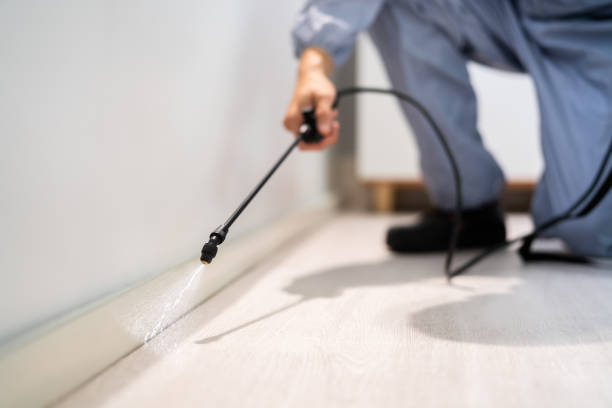
Why Mouse Infestations Are Dangerous and How to Address Them
Mouse infestations are more than just a nuisance; they pose several risks to your home, health, and overall well-being. Understanding the dangers of these small rodents and how to manage them effectively can help protect your household from potential harm.
The Dangers of Mouse Infestations
Mice can cause a variety of problems when they invade your living space.
- Disease Transmission: Mice are carriers of numerous diseases, such as Hantavirus, Salmonella, and Leptospirosis. These illnesses can spread through their droppings, urine, or saliva.
- Food Contamination: Mice often scavenge for food in kitchens and pantries, contaminating food supplies with bacteria or pathogens that pose serious health risks.
- Allergies and Asthma: The fur, dander, and droppings of mice can trigger allergic reactions or worsen asthma symptoms in sensitive individuals.
- Chewing Habits: Mice gnaw on various materials including wood, electrical wiring, insulation, and drywall. This damage can compromise the structure of your home.
- Fire Hazards: Damaged electrical wiring caused by mice chewing poses a significant fire risk.
- A single pair of mice can reproduce quickly; females give birth to litters every few weeks. This rapid population growth makes infestations challenging to control if not addressed promptly.
How to Address Mouse Infestations
Tackling a mouse infestation effectively requires both proactive prevention measures and active control strategies.
- Clean kitchens regularly by wiping down counters and sweeping floors to remove crumbs.
- Place snap traps or glue traps strategically along walls where mice frequently travel.
- Bait traps with high-protein foods like peanut butter for better results.
Preventing Future Infestations
| Preventive Measure | Description |
| Regular Inspections | Check for new signs of rodent activity such as droppings or gnaw marks regularly. |
| Proper Waste Management | Secure garbage bins with tight-fitting lids and dispose of waste promptly. |
| Maintain Landscaping | Trim vegetation near your home’s foundation as overgrown plants provide shelter for rodents. |
By understanding why mouse infestations are dangerous and implementing both immediate solutions and preventive measures, you can safeguard your home against future rodent problems while ensuring the health and safety of everyone inside it.
How to Get Rid of Mouse Infestations Quickly and Effectively
Mouse infestations can lead to a variety of problems, from property damage to potential health risks. Acting swiftly and effectively is crucial to minimize these risks. Below are step-by-step methods and strategies you can use to eliminate mice from your home while preventing future infestations.
Identify the Signs of a Mouse Infestation
Before tackling the infestation, it’s important to confirm that mice are indeed the problem.
- Droppings:Small, pellet-shaped droppings near food sources or along walls.
- Gnaw Marks:Mice often chew through wires, wood, and even plastic.
- Tracks or Smear Marks:Greasy smudges along baseboards or walls indicate their pathways.
- Scratching Noises:You may hear faint scratching in walls, ceilings, or beneath floors at night.
- Nests:Shredded materials like paper or fabric collected in secluded areas.
If these signs are present, it’s time to take action.
Quick and Effective Methods for Getting Rid of Mice
- Inspect your property thoroughly for cracks, gaps, and holes.
- Use caulk or steel wool to seal small gaps (less than 1/4 inch).
- Install door sweeps on exterior doors.
- Set Up Traps
Traps remain one of the most effective ways to catch mice indoors. - Snap Traps: Ideal for quick elimination; place bait like peanut butter for best results.
- Glue Boards: Effective for smaller infestations but should be used with caution due to ethical concerns.
- Electronic Traps: These traps provide a humane and efficient way to kill mice instantly.
- Use Bait Stations Appropriately
Bait stations containing rodenticides can be highly effective but must be used carefully: - Keep away from children and pets by placing them in inaccessible areas.
- Position bait stations near areas where you’ve noticed high activity levels (e. g. , near droppings).
- Maintain Cleanliness
A clean home is less inviting to rodents: - Sweep up crumbs regularly and wipe down countertops after meals.
- Empty trash bins regularly and ensure lids fit tightly.
- Remove Nesting Materials
Mice often use soft materials like shredded fabric or paper for nesting: - Declutter storage areas like basements or attics where materials may accumulate.
- Keep cardboard boxes off the floor by storing items in plastic tubs instead.
Preventing Future Infestations
| Prevention Method | Description |
| Regular Home Inspections | Check for new holes or gaps every few months. |
| Landscaping Maintenance | Keep shrubs trimmed and firewood stored at least 20 feet from your home’s foundation. |
| Pet Ownership | Cats can act as natural deterrents against mice in some cases (though not guaranteed). |
| Professional Pest Control | Schedule annual inspections with licensed exterminators for peace of mind. |
By combining proactive measures with diligent maintenance practices, you can ensure that your home remains mouse-free over time.
Effectively addressing a mouse infestation requires prompt action, thorough inspection, and consistent prevention measures. By following these steps systematically, you can quickly regain control over your living space without compromising safety or hygiene.
Natural Mouse Repellents: What Works to Repel Mice Safely
Mice can be a nuisance in any home, and while traditional methods like traps and poisons are often used, many homeowners are turning to natural solutions. Natural repellents are safer for households with children or pets and are environmentally friendly. Below is an exploration of effective natural mouse repellents that could help keep your home rodent-free.
Why Choose Natural Mouse Repellents?
- Safety: They minimize health risks, especially in sensitive environments such as homes with small children or animals.
- Eco-Friendly: They reduce the use of toxic substances that may harm the ecosystem.
- Non-Lethal Solutions: For those who prefer humane pest control, natural options focus on deterring rather than killing.
Common Natural Mouse Repellents
- Mice dislike the strong scent of peppermint oil. Soak cotton balls in peppermint oil and place them near entry points such as doors, windows, or cracks in walls.
- Refresh the oil every few days for maximum effect.
- The potent smell of cinnamon can be effective in driving away rodents. Sprinkle ground cinnamon around areas where mice tend to appear or use cinnamon essential oil in a similar fashion as peppermint oil.
- A solution made from equal parts vinegar and water can deter mice due to its strong odor. Spray it around potential nesting or entry sites.
- Whole cloves or clove oil can act as natural deterrents when placed near areas where mice have been spotted.
- Spicy ingredients irritate rodents’ senses and discourage them from lingering too long in treated areas.
- The pungent smell of garlic is another safe way to discourage mice from entering your space.
- Scatter used coffee grounds around common mouse pathways to disrupt their activity.
| Repellent | Application Method | Effectiveness | Frequency of Use |
| Peppermint Oil | Cotton balls near entry points | High | Every 2–3 Days |
| Cinnamon | Sprinkle powder/essential oil | Moderate | Weekly |
| Vinegar Mix | Spray on surfaces | Moderate | Every 3–5 Days |
| Cloves/Clove Oil | Direct placement | High | Weekly |
| Cayenne Pepper | Sprinkle powder | Moderate | Biweekly |
Preventive Measures Alongside Natural Remedies
- Seal cracks, gaps, and holes in walls and floors using steel wool or caulk.
- Keep your living spaces clean by minimizing clutter and vacuuming regularly.
- Take out trash frequently and ensure bins are tightly sealed.
- Trim back vegetation near your home’s exterior to limit hiding spots for rodents.
Are Natural Methods Enough?
Natural repellents work well for minor infestations or preventive efforts but may not always suffice during severe infestations. If the problem persists despite using these remedies, consider consulting a professional pest control service for assistance.
By integrating these safe methods into your pest control routine, you can enjoy a cleaner environment without relying on harsh chemicals while respecting the balance of nature within your household ecosystem.

Identifying a Mouse vs. Rats
When dealing with rodent infestations, accurately identifying the type of pest in your home is crucial for effective control measures. Mice and rats are often mistaken for one another, but there are distinct differences in their physical characteristics, behaviors, and the potential threats they pose to your property. Below is a comprehensive guide to help you differentiate between these common rodents.
Physical Differences
One of the easiest ways to distinguish between mice and rats is by observing their physical traits.
| Feature | Mice | Rats |
| Size | Smaller (2-4 inches long) | Larger (7-9 inches long) |
| Tail | Long, thin, and proportional | Thick, scaly, shorter relative |
| Ears | Large relative to head | Smaller relative to head |
| Nose/Face | Pointed | Blunt |
| Color | Light brown or gray | Dark brown or black |
Behavioral Characteristics
- Mice tend to nest indoors and prefer warmer spaces such as walls or cabinets.
- Rats are more adaptable; they can reside both indoors and outdoors but often prefer basements, sewers, or attics.
- Mice nibble on small portions of food frequently. They leave behind scattered crumbs as evidence of activity.
- Rats are opportunistic feeders that consume larger quantities of food in one sitting.
- Mice are agile climbers and jumpers; they leave smaller droppings (about 1/4 inch).
- Rats create more noticeable paths due to their size and leave larger droppings (1/2 inch).
Health Risks Associated with Each
- Mice:
While mice can spread diseases like hantavirus or salmonella through droppings or urine, they typically pose less risk than rats due to their smaller size. - Rats:
Rats are known carriers of more severe diseases such as leptospirosis and rat-bite fever. Their ability to chew through materials like wood or wiring also makes them a greater threat to structural safety.
Signs of an Infestation
- Look for gnaw marks (mice tend to leave smaller teeth marks compared to rats).
- Check for droppings — remember that size matters when distinguishing between the two rodents.
- Listen for noises at night; light scurrying generally indicates mice while heavier thumps suggest rats.
Why Proper Identification Matters
By correctly identifying whether you’re dealing with a mouse or rat infestation, you can implement targeted solutions rather than wasting time on ineffective methods.
- Sticky traps may work better for mice due to their lighter weight while snap traps designed specifically for larger rodents will be more effective against rats.
- Entry points used by mice might be as small as a dime-sized gap whereas rat access points are likely larger and require different sealing techniques.
Understanding these distinctions ensures that pest control efforts are efficient and minimizes risks associated with infestations in your home.
What Can Be Done About Mice in Crawl Spaces and Attics?
Mice can be particularly problematic when they find their way into crawl spaces and attics. These areas offer ideal environments for nesting due to their warmth, darkness, and low levels of human disturbance. Left unchecked, mice can cause structural damage, contaminate insulation, and pose health risks.
Assess the Situation
Before taking action, it’s important to evaluate the severity of the infestation.
- Droppings: Small, dark droppings are a clear indicator of mouse activity.
- Gnaw Marks: Chewed wires, wood structures, or personal belongings signal their presence.
- Noise: Scratching or scampering sounds at night are a strong indication of mice.
- Nests: Look for shredded paper, fabric, or insulation that may have been used to create nests.
Thoroughly inspect these areas using a flashlight and protective gear to avoid exposure to contaminants.
Sealing Entry Points
One of the most effective ways to keep mice out is by sealing possible entry points they use to gain access. Even small gaps are enough for them to squeeze through.
| Material | Purpose |
| Steel Wool | Blocks small gaps effectively; mice cannot chew through it. |
| Caulk | Fills cracks and crevices in walls or around pipes. |
| Hardware Cloth (Wire Mesh) | Covers larger openings such as vents or utility lines. |
Inspect areas like vents, utility pipes, foundation cracks, and roof edges where gaps commonly occur.
Setting Traps
Traps are an effective way to reduce an existing mouse population in your crawl space or attic without introducing harmful chemicals into your home.
- Snap Traps: Reliable and humane when used properly.
- Live Traps: Useful if you prefer catch-and-release methods (check local guidelines before releasing).
- Glue Traps: May be less humane but can be used as a last resort.
When placing traps: 1. Position them along walls where mice are likely to travel. 2. Use bait such as peanut butter or seeds. 3. Check traps frequently and dispose of captured rodents properly.
Cleaning Up Infested Areas
- Wear gloves and an N95 mask during cleanup.
- Remove contaminated insulation if necessary.
- Disinfect all surfaces with bleach diluted in water (1 part bleach to 10 parts water).
- Dispose of all nesting materials carefully in sealed plastic bags.
Proper cleaning eliminates remaining scents that could attract other rodents in the future.
Preventive Measures
– Trim back tree branches near your roofline that could provide access routes for rodents. – Regularly inspect your attic and crawl space for signs of new activity.
By addressing infestations promptly and implementing preventive strategies, you can protect your home from structural damage and health risks associated with mice infestations in crawl spaces and attics. Providing consistent maintenance minimizes the likelihood of recurring problems over time.
- Tips from a Pest Control Company Clearwater FL on Identifying and Preventing Rodent Infestations
- How a Pest Control Company Clearwater FL Can Protect Your Home and Why It’s Essential
- Clearwater Pest Control: Effective Ways to Keep Mice Out of Your Home and Remove Rodents
- How a Pest Control Company Clearwater FL Can Ensure Your Health and Safety
- Tips from a Pest Control Company Clearwater FL on Managing Common Household Pests
- Top 6 Reasons to Consider Clearwater Pest Control for Your Home